Planet Zoo 2 best starter animals: what to adopt first and what to wait on
Six Planet Zoo 2 animals that are easy to house and easy to breed, with the space each one needs, when they unlock and the ones worth waiting on.
Quick answer
Start with Meerkats if you want the easiest first habitat, or Wild Boar if you want babies quickly. Common Warthogs are the better pick if you’re planning a savannah, because zebras, wildebeest and giraffes can join them later.
Numbers are as listed on 20 October 2026, after Update 1.0.5, so a patch could move them.
Cash is tight at the start, so the best first animal fits a small habitat, doesn’t make you buy a whole herd and has babies soon enough to matter. The six below manage most of that. The Zoopedia (the in-game animal encyclopedia) has the same numbers, and its Periodic Food Expenses line is worth a look before you adopt anything.
Starter animals compared
Land is the minimum area, then what each extra animal adds. The last two columns are how long a baby takes to grow up and how many arrive at once.
| Animal | Land, plus each extra animal | Group size | Grows up in | Babies per birth |
|---|---|---|---|---|
| Meerkat | 180 m² + 14 m² | 2 to 30 | 3 years | 1 to 3 |
| Wild Boar | 310 m² + 15 m² | 3 to 30 | 12 months | 2 to 5 |
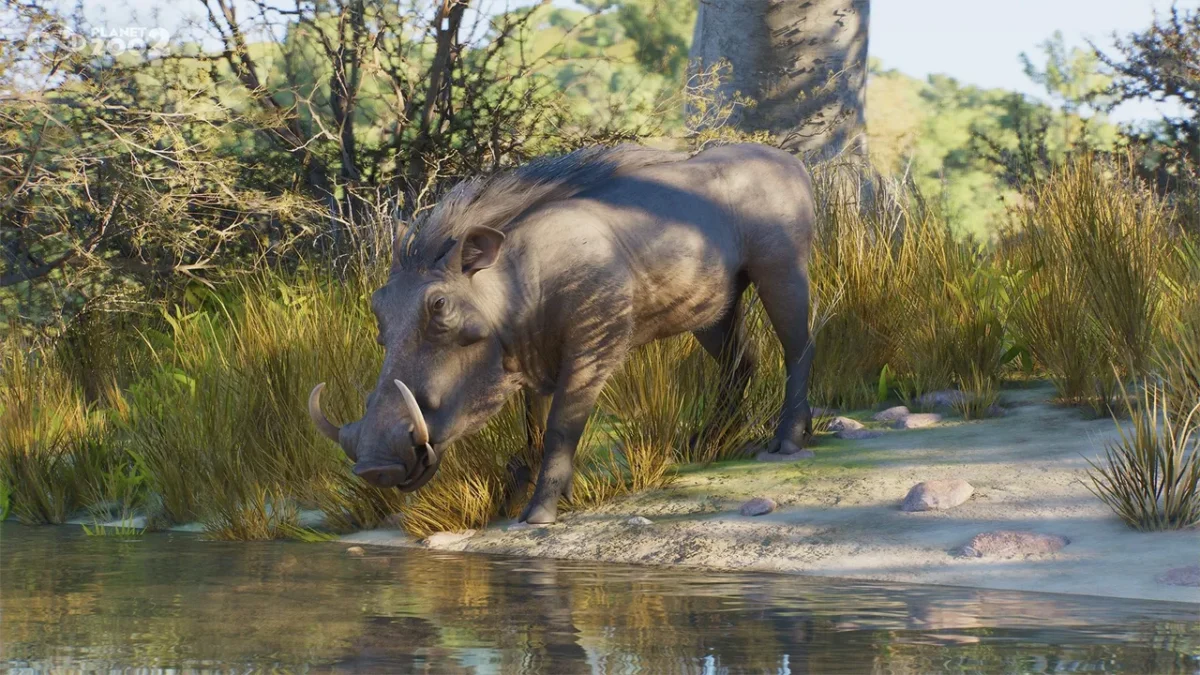
| Common Warthog | 290 m² + 10 m² | 1 to 7 | 2 years | 1 to 5 |
| Springbok | 425 m² + 55 m² | 3 to 36 | 12 months | 1 |
| Aardvark | 160 m² + 80 m² | 1 to 2 | 2 years | 1 |
| Common Ostrich | 300 m² + 300 m² | 1 to 8 | 3 years | 1 to 4 |
Everything here needs a Grade 2 barrier except Meerkats, which only need Grade 1 (the lowest of the five). The classic first-habitat mistake is sizing it for the smallest group and running out of room when the babies turn up, so keep an eye on that “plus each extra animal” column.
The six to start with
Meerkat
Meerkats are the easiest place to start. Their habitat begins at 180 m² and only needs a Grade 1 barrier, and each extra meerkat adds just 14 m², so a colony of up to 30 can grow without you redoing the fence. They have one to three pups after about two months of pregnancy, but pups take three years to grow up, so your starting group does the work for a while. Food is ground meat and mealworms, which isn’t what most of the animals below eat.
Wild Boar
Wild Boar are my pick if you want spare animals early. They grow up in 12 months and have two to five piglets at a time, and you need at least three to start. One male covers up to 29 females, so one male and two females is plenty.
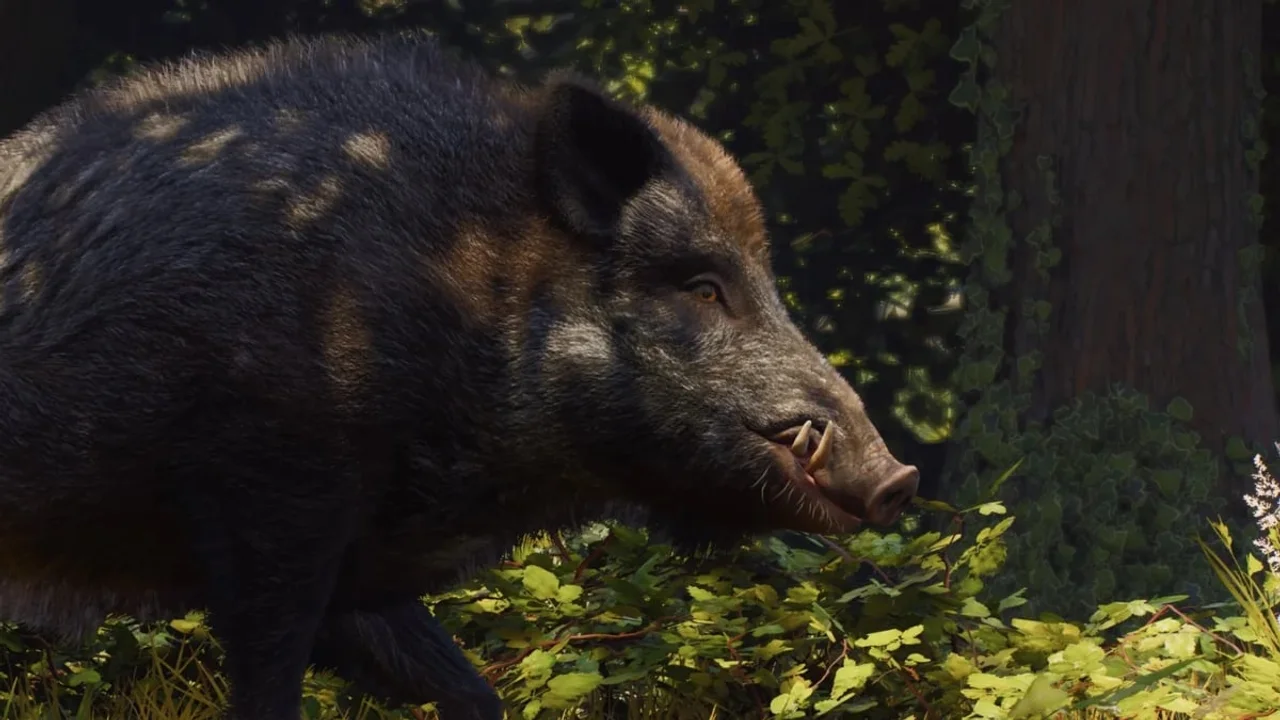
The habitat starts at 310 m² and each extra boar adds 15. They don’t mind much where you put them, since grassland, temperate, tropical or wetland all work, and they cope with cold down to -6°C.
Heads up though. They breed fast enough to fill the habitat, so decide early what happens to the piglets. You can release them into a Wildlife Reserve (a separate map where your animals go back to the wild), trade them, or stop the next litter with contraception from the animal’s panel. The breeding guide has more on that.
Common Warthog
Common Warthogs are the small-habitat savannah animal. It’s 290 m² to start and only 10 m² per extra warthog, so a full group of seven isn’t much bigger than a pair. A pair is plenty, a litter can be up to five piglets, and they eat hay and herbivore pellets on grassland between 14 and 36°C.
The slow part is growing up, which takes two years. Release groups also only unlock at research level 3, so warthogs are the one animal here you can’t release from day one.
Springbok
If you want a herd, Springbok are the quickest breeders in the savannah group. They grow up in 12 months with one calf at a time, a herd goes up to 36 and one male covers up to 35 females. You need three to begin, and the habitat starts at 425 m² plus 55 per extra animal, which makes it the biggest build here apart from ostriches. They like grassland or desert between 14 and 41°C and eat hay and herbivore pellets. In Career they only unlock at Accreditation Tier 2 (the ladder that opens more species as you play), more on that below.
Aardvark
Aardvarks have the smallest starting area at 160 m², though each extra one adds 80 and the group only goes up to two, one male and one female. So it’s a pair and done. Breeding is slow: a female is pregnant for seven months, waits about 17 months between births and has a single cub each time. They eat meat and mealworms and like grassland between 14 and 36°C (the Zoopedia says warthogs sleep in abandoned aardvark burrows, so those two have history). The upside is that a release group can be a single aardvark, so every cub is a release on its own.
Common Ostrich
Common Ostrich suit a big savannah better than a first zoo, because the habitat is the expensive part. It starts at 300 m² and every extra ostrich adds another 300, roughly a whole warthog habitat each time. Groups go from one to eight. They take three years to grow up and, like other birds, need a nest before they can breed, with one to four young per litter. I’d only start with ostriches if the savannah is the plan, since they count toward the African Savannah group without needing a neighbour themselves.
Which ones you can adopt from the start
It depends on the mode. Career is the campaign, and Franchise is the online mode where your zoos and reserves trade with other players. In Franchise, all six are open the moment you start a zoo, and so are Red Deer and Bactrian Camels. You also start with $45,000 and 300 Conservation Credits (the second currency, which buys many animals), so a small first habitat is the sensible spend.
Career is stricter. Five of the six are open from the start, Springbok and Red Deer need Accreditation Tier 2, and Bactrian Camels need Tier 3. A species locked behind a Tier can’t be adopted at all until you reach it, however much money you have. Lions and elephants are even further off, only opening at Tier 5 in Franchise.
Building toward a savannah
If a savannah is where you’re heading, the thing to know is the African Savannah group. Warthogs, Springbok and Common Ostrich are all in it, along with zebras, wildebeest, Cape Buffalo, giraffes, Gemsbok, Nyala, Sable Antelope and Thomson’s Gazelle.
Warthogs and Springbok both have a Thriving requirement near the top of their research that needs one of those animals in the habitat. (Thriving is an animal status you unlock requirement by requirement through each species’ research.) Ostrich count as members without needing one themselves, so a warthog habitat can start small and pick up neighbours later. You’ll need more land by then, so leave room next to it.
Animals to wait on
These are fine animals that ask for more than a first habitat should.
- Bactrian Camel. It’s 650 m² to start and 100 more per extra animal, with calves taking six years to grow up after a 13 month pregnancy. The game rates them Very Easy to breed, but that only means it works reliably, so the first calf is a long wait.
- Red Deer. You need three, it’s 360 m² to start and 45 per extra animal, and calves take four years. They’re a better fit later for a temperate zoo and the Scottish Highlands reserve.
- Flying and swimming animals. Aviaries and aquariums are new building types, so I’d leave them for your second or third habitat.
- Lions, tigers and the other big names. They cost a lot to feed, and in Franchise the biggest ones stay locked for a long time anyway.
Releasing them later
Every animal here can go to a Wildlife Reserve, which is where Conservation Credits come from. This is where each one is researched, what that reserve needs before a release is allowed, and the smallest group you can send.
- Meerkat. Great Rift Valley Reserve, with a Savannah ecosystem. A mating pair, one male and one female, is the smallest group.
- Aardvark. Great Rift Valley Reserve, with Savannah or Shrubland and burrows. A single animal.
- Common Warthog. Great Rift Valley Reserve, with Grassland or Shrubland. One male, once you’ve reached research level 3.
- Wild Boar. Scottish Highlands, with Open Canopy Forest or Mixed Lowland Forest. One male on his own.
- Springbok. Tanzania Reserve, with Grassland or Savannah. At least nine animals, which is three to five males and six to thirteen females.
- Common Ostrich. Tanzania Reserve, with Savannah or Grassland plus Shrubland. Three females is the smallest group.
Level 4 of each species’ research needs that species released in one particular reserve, which is why each one is listed with a reserve.
Pick one animal from the table, build to its land number and adopt the smallest group. When you want more babies, the breeding guide has the numbers, and the money guide covers keeping cash up while they grow. (Everything every other species needs is in our habitat requirements table.)
Something wrong or out of date? Tell us
Guide by
Sunny
Sunny’s favourite game is Stardew Valley, and she has told herself “one more day” about four thousand times. The rest of her time goes on dying in a basement in The Binding of Isaac and planning her whole week around who she’s hanging out with in Persona.
Up next in Planet Zoo 2
Keep playing
-
GuidesMidgame
-
GuidesEndgame
-
GuidesMidgame
-
GuidesMidgame
Squad chat
Be the first