Planet Zoo 2 best animals to breed: the fastest breeders and the ones to skip
Which Planet Zoo 2 animals are worth breeding? The fastest breeders, the ones to skip, and the numbers behind every pick.
Quick answer
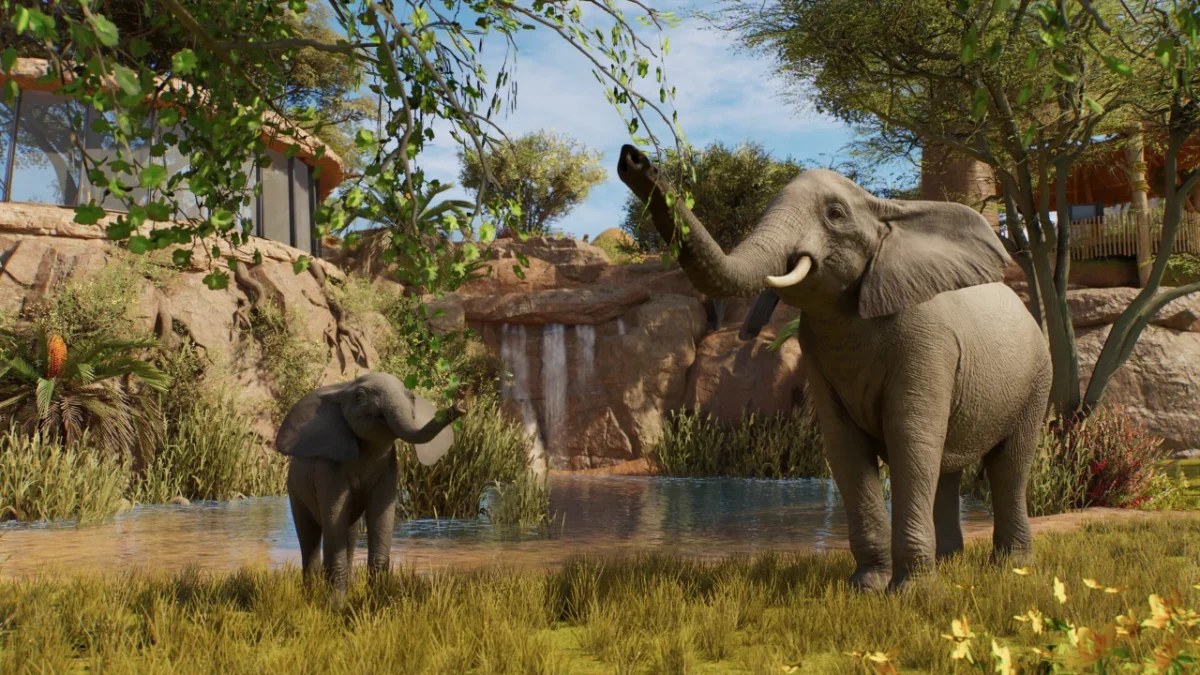
Start with Wild Boar. They grow up in a year, have two to five piglets at a time, and one male can look after up to 29 females. Springbok and Mountain Hares also grow up in a year, African Wild Dogs and Sable Antelope aren’t far behind, and nearly everything else takes two years or more. Elephants, apes and tortoises are a very long wait, so leave them for later.
Life cycle numbers are as listed on 18 October 2026, a few days after launch, so a patch could move them.
Breeding is how a zoo fills itself up instead of you buying every single animal. Every baby is a spare animal, something you can release into a Wildlife Reserve for Conservation Credits, and a step toward a few of the achievements.
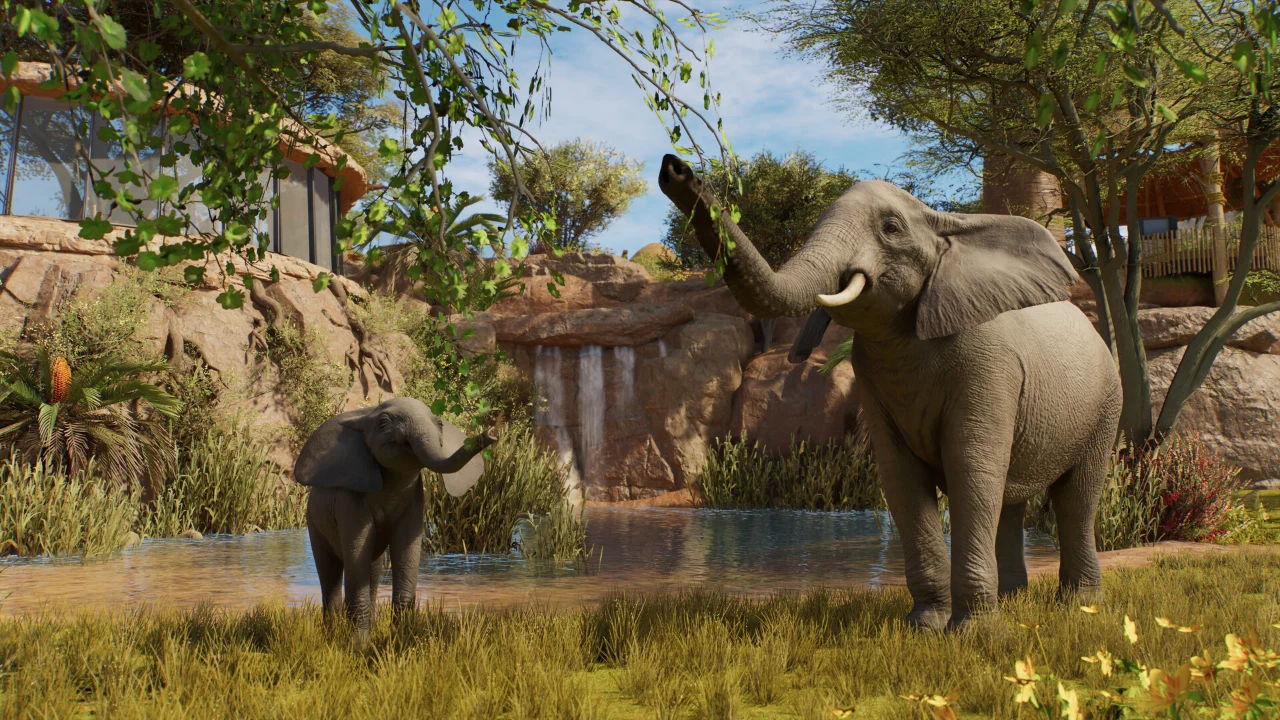
Litter size is the obvious thing to look at, and it’ll mislead you. A Galapagos Giant Tortoise can have six babies at once, which sounds brilliant until you see she needs 25 years to grow up first (the game really does make you wait that long). So don’t go by litter size alone.
What to look for
- Grows up in. How long a baby takes before it can have babies of its own.
- Babies per birth. The litter size, shown as a range.
- Pregnancy and rest. How long she’s pregnant, then how long she waits before she can be pregnant again.
- Group size. How many animals fit in the habitat, and how many females one male can cover.
Add the pregnancy and the rest together and every animal in this guide comes out at close to a year, whether it’s a boar, a wolf or a sable. So a mother has about one litter a year, whichever you pick. What changes is how long you wait for the first litter, how big it is, and how many mothers you can fit in the habitat.
Best animals to breed
Wild Boar are where I’d start. They grow up in 12 months, have two to five piglets per birth, and live in groups of 3 to 30, with one male covering up to 29 females. They’ll settle into grassland, temperate, tropical or wetland habitats, so they fit whatever you’re building anyway. One male and two females is plenty to start with.
Mountain Hares and Springbok also grow up in 12 months. The hares have one to four babies after only a month of pregnancy, but the group stops at five and they need a cold habitat (temperate, taiga or tundra). Springbok only have one calf at a time, but a herd goes up to 36 with a single male covering up to 35 females, so fill the habitat and the calves keep coming. Grassland or desert for them.
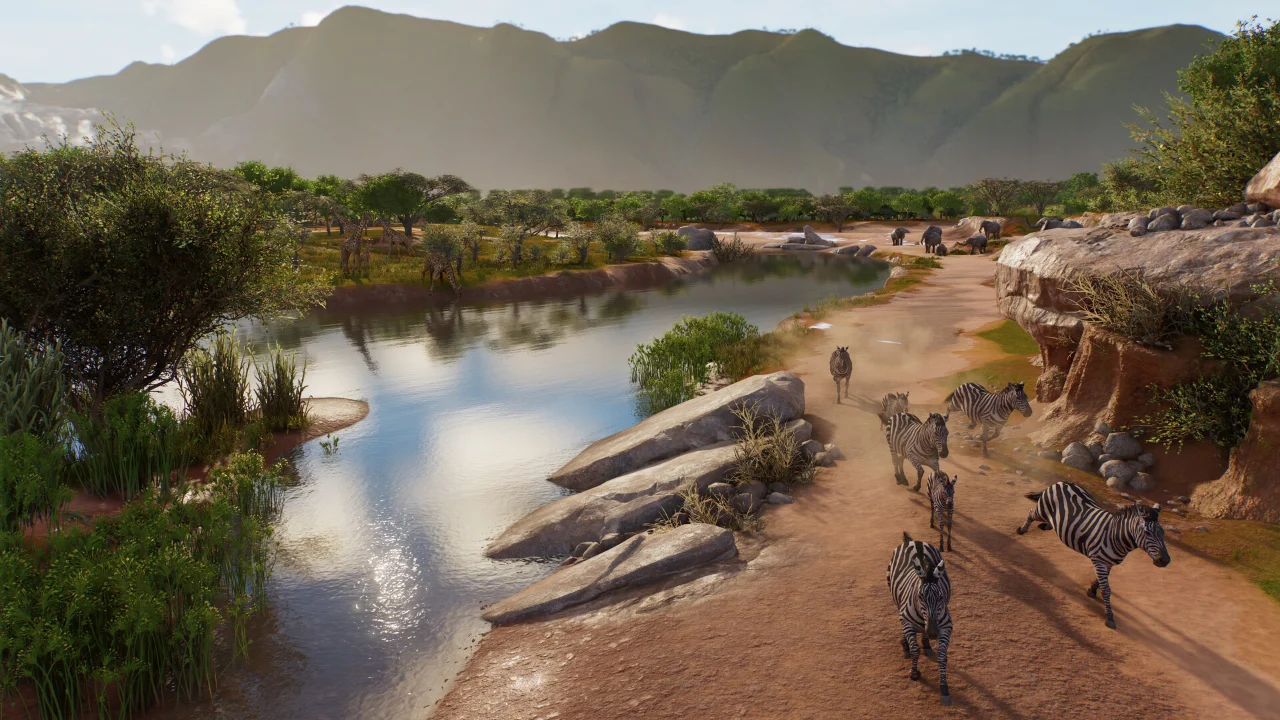
Now the big litters. African Wild Dogs have up to six pups, grow up in 18 months and are pregnant for two. Packs go up to 27, so you can have loads of mums in one habitat. The rest before the next litter is 12 months, the longest on this list, and honestly with six pups at a time you won’t care. Grey Wolves have up to five pups and take two years to grow up, in packs of 2 to 12, and they’re happy in more biomes than most animals in the table (desert, grassland, temperate, taiga, tundra and tropical). Common Warthogs also have up to five and take two years, and a pair keeps them happy, so you don’t need a big group to get going.
If you’d rather have a calf every year from a herd, Sable Antelope have the shortest rest in the table at three months, and they grow up in 18 months. Groups run from 3 to 11 with one male covering up to ten females. Nyala take the same 18 months and live in groups of up to five, so they make a good small herd. Blue and Black Wildebeest take two years, but groups go up to 20 with one male covering 19 females, so it’s worth the wait.
Breeding numbers compared
| Animal | Grows up in | Babies per birth | Pregnancy | Rest before the next | Group size |
|---|---|---|---|---|---|
| Wild Boar | 12 months | 2 to 5 | 3 months | 8 months | 3 to 30 |
| Mountain Hare | 12 months | 1 to 4 | 1 month | 10 months | 1 to 5 |
| Springbok | 12 months | 1 | 6 months | 6 months | 3 to 36 |
| Sable Antelope | 18 months | 1 | 8 months | 3 months | 3 to 11 |
| Nyala | 18 months | 1 | 6 months | 5 months | 1 to 5 |
| African Wild Dog | 18 months | 1 to 6 | 2 months | 12 months | 2 to 27 |
| Grey Wolf | 2 years | 1 to 5 | 2 months | 9 months | 2 to 12 |
| Common Warthog | 2 years | 1 to 5 | 5 months | 6 months | 1 to 7 |
| Eurasian Beaver | 2 years | 1 to 4 | 3 months | 8 months | 2 to 8 |
| Blue or Black Wildebeest | 2 years | 1 | 8 months | 3 months | 4 to 20 |
Slow breeders to skip
These aren’t bad animals, they just take forever, so don’t pick them if you want babies soon.
- African Savannah Elephant and Asian Elephant. 10 to 11 years to grow up, a 21 month pregnancy and 8 to 9 years of rest.
- Sumatran Orangutan. 10 years to grow up and 8 years of rest between babies.
- Western Chimpanzee and Western Lowland Gorilla. 14 and 10 years to grow up.
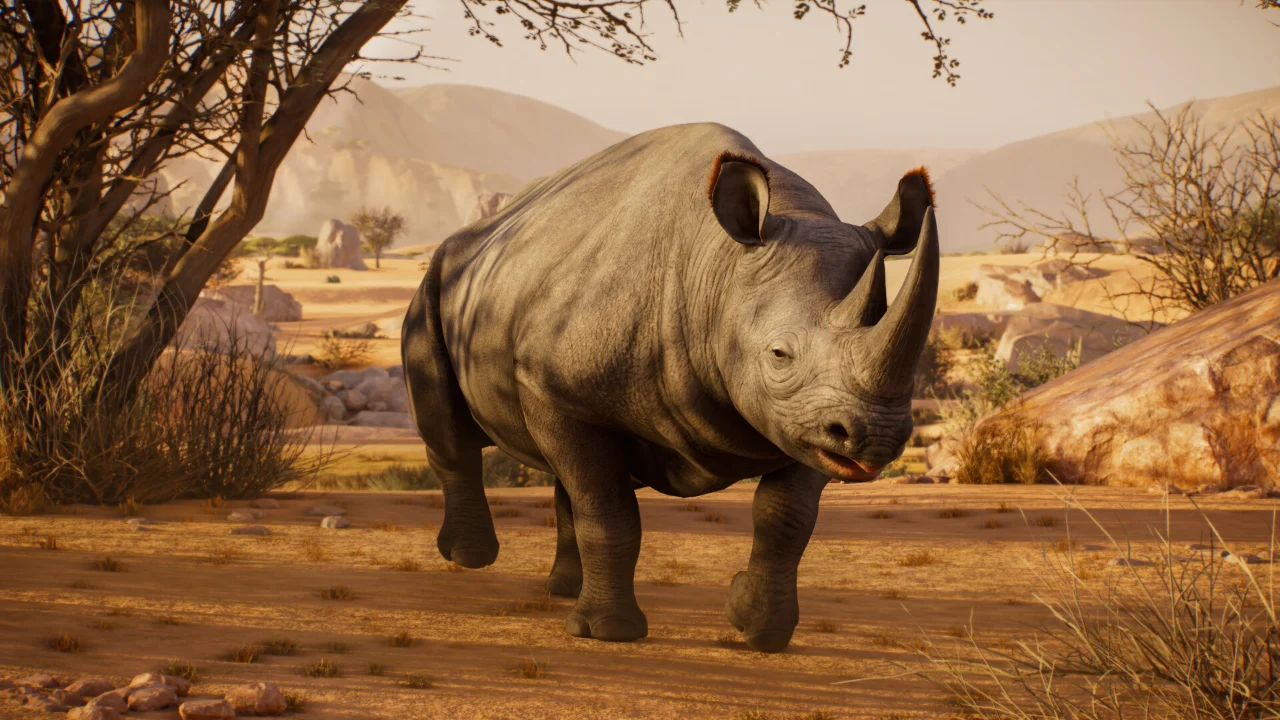
- Black Rhinoceros. 7 years to grow up and a 15 month pregnancy.
- Galapagos Giant Tortoise. Up to six babies, but 25 years to grow up.
- Gharial and Saltwater Crocodile. 16 and 14 years to grow up, though the Gharial can have up to nine young.
- Lion. Only 3 years to grow up, but about 2 years of rest between litters.
Breeding tips
I should have said this before the list: none of it works if the animals are unhappy. They’ll never mate successfully if either one is below 66% overall welfare, so keep welfare up before you wonder why nobody’s breeding.
- Watch the genetics. Parents with different genes make healthier babies, and breeding close relatives can lower fertility.
- Birds and reptiles need nests. A pair can’t conceive until it’s claimed a nesting site.
- Some species only breed at certain times of year, so a baby can take longer than the table says, especially if welfare dips at the wrong moment.
- Too many babies? Use contraception from the animal’s panel or the Animals Overview screen.
If you’re going for First Steps, it needs 10 critically endangered land or water animals born in one zoo. The critically endangered species in the table are the Black Rhinoceros, Gharial, Sumatran Orangutan, Sunda Pangolin, Western Chimpanzee and Western Lowland Gorilla. The Sunda Pangolin grows up fastest at 2 years and has one baby at a time, but a habitat only takes a pair, so you’ll need a few habitats.
(Everything each species needs is in our habitat requirements table, and the rest of our Planet Zoo 2 guides are on the hub.)
Something wrong or out of date? Tell us
Guide by
Sunny
Sunny’s favourite game is Stardew Valley, and she has told herself “one more day” about four thousand times. The rest of her time goes on dying in a basement in The Binding of Isaac and planning her whole week around who she’s hanging out with in Persona.
Up next in Planet Zoo 2
Keep playing
-
GuidesMidgame
-
GuidesMidgame
-
GuidesMidgame
-
GuidesEarly game



Squad chat
Be the first