Planet Zoo 2 colourmorphs: which animals have them and where to start hunting
Which Planet Zoo 2 animals have albino, leucistic and other colourmorphs, how to buy or breed one, and which animals to start with.
Quick answer
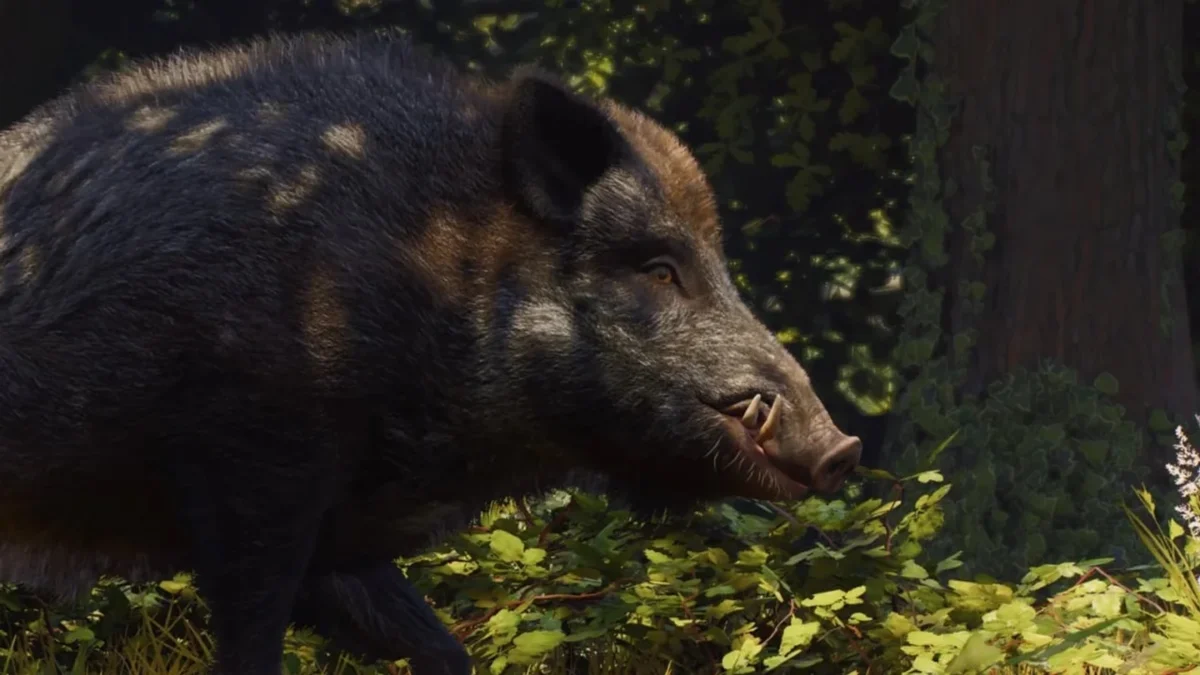
Start with Wild Boar. They grow up in 12 months and have a white leucistic morph, and Springbok grow up just as fast and have six different coats. Morphs are rare, so you either buy one on the Animal Trading market or breed a lot of animals and wait.
Everything here is as of 23 October 2026, after Update 1.0.5. Nobody has confirmed the real chance of getting a morph, so there’s no percentage anywhere below.
A colourmorph (also spelled colormorph) is a coat or skin colour that looks very different from the species’ normal one, like a white lion, a black red deer or a golden tiger. At least 62 animals in Planet Zoo 2 have one, and the game never tells you which. The names are real-world terms, so here’s what they mean.
- Albino: no pigment, so the animal looks white or pale.
- Leucistic: partial pigment loss, which gives white or washed-out coats that can keep some darker markings.
- Melanistic: extra dark pigment, so black or near-black. Pseudomelanistic and part melanistic are the striped or blotchy versions.
- Erythristic and golden: red, orange or golden coats.
- Piebald: pied patches. Spotless: the usual spots are gone.
Which animals have one
At least 62 animals have a colourmorph, with 107 coats between them. (One source says 63, so the list below may be missing a single animal.)
- 48 of the 62 have an albino or leucistic coat. That’s 21 albinos and 29 leucistics, and African Penguin and Meerkat have both.
- 36 animals have only one morph, and 31 of those are a single albino or leucistic coat.
- Koi and Springbok have six each, Blunthead Cichlid has five and Plains Zebra has four.
- 14 animals have no albino or leucistic coat. Springbok, Grey Wolf and Threespot Damselfish have a plain white one instead, and the rest are golden, black, brown, spotless and so on.
If you want a particular white animal, check the full list near the bottom before you build anything for it.
Buying a morph
Morphs turn up on the Animal Trading market, but they’re scarce and they cost more than a normal animal. In Franchise most sellers ask for Conservation Credits, and a cash listing is rare. Your Accreditation tier decides which species are unlocked, so a morph of an animal you haven’t unlocked won’t be listed. The variant shows on the animal’s screen once you have it.
Heads up: if the listing shows genetic scores, check them before you spend a big pile of credits. A morph with poor Fertility is slow to breed from. If you’re short on credits, the money guide covers how to earn them.
Breeding a morph
Reports say it can take hundreds of offspring. The chance goes up when one parent has the same morph and goes up again when both do, but the exact odds haven’t been confirmed.
Some players of the first Planet Zoo found that morphs acted like a recessive trait, so two normal-looking carriers could produce one. That isn’t confirmed for Planet Zoo 2. Either way, once you get your first morph, keep its parents breeding, because they might be carriers.
The Genetics tab
The Genetics tab is the last tab on an animal’s overview. It has the animal’s overall genetic rating, its scores for Vitality, Longevity, Fertility and Immunity, and a note on its appearance. A green Compare Mates button at the bottom lists every possible partner and the scores their offspring are likely to get.
Vitality and Longevity add up, so breeding two high scores together pushes them higher over the generations. Fertility and Immunity are diversity genes and do best when the parents are unrelated. Pair siblings over and over to chase a coat and both scores drop, and the line gets harder to breed. (Real zoo associations discourage breeding white tigers on purpose for the same reason.) The Genealogy screen shows shared parents, and an unrelated animal fixes a line that’s got too close.
Compare Mates covers the genetic scores. Whether it also predicts coat colour isn’t clear, so treat the morph chance as a separate roll.
Make sure the pair can breed
- Both animals are healthy adults.
- The species is in its mating season, which the Zoopedia lists.
- Welfare is high on both.
- Contraception is off for both (easy to forget in a big zoo).
- Egg layers have an accessible nest of the right type (the Habitat Browser can filter by species).
- The group isn’t crowded with extra mates, since that can lower the chance of conception.
Research raises fertility. Springbok research adds 15% at level 4 and 30% at level 6, though level 4 needs the species released in Tanzania Reserve and an Observation Network there. Other species have their own research trees.
A long hunt fills your zoo with spare animals, so line up a second habitat, a release or a trade before the first litter. The best animals to breed guide has litter sizes and the slow breeders, and the habitat requirements table shows what each animal needs.
Where to start
All six animals in our starter animals guide have a morph, so you can begin in your first zoo.
| Animal | Colourmorphs | Breeding timing |
|---|---|---|
| Meerkat | Leucistic, Albino | 2.2 months gestation |
| Wild Boar | Leucistic | 3.7 months gestation, matures in 12 months |
| Common Warthog | Leucistic | 5 months gestation, matures in 2 years |
| Springbok | White, Coffee, Ivory, Black, Copper, King | 6 months gestation, matures in 12 months (Career Tier 2) |
| Aardvark | Albino | 7 months gestation, 17 months between births |
| Common Ostrich | Leucistic | 12 months between births |
Wild Boar and Springbok both grow up in 12 months, the fastest of the six. Springbok has six coats to look for but needs Career Tier 2, so Wild Boar is where I’d start. Meerkats have the shortest pregnancy and two morphs of their own.
Aquarium animals
16 of the 62 animals live in aquariums, and they carry 34 of the 107 coats. Koi has six and Blunthead Cichlid has five.
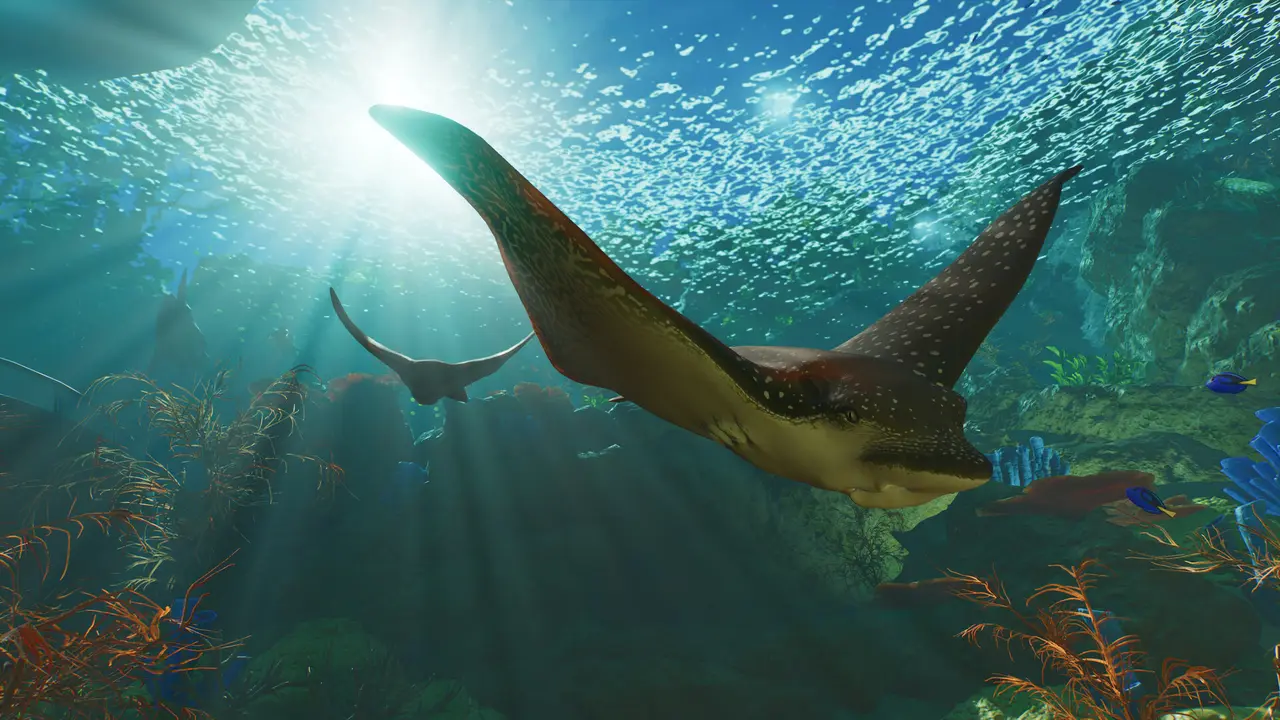
Eight of the 16 are shoals: Koi, Blunthead Cichlid, Brown Trout, Clown Loach, Common Rudd, Giant Gourami, Palette Surgeonfish and Threespot Damselfish. A shoal is one group that tops itself back up, so there are no individual gene scores to read or pair (the aquarium guide covers how shoals grow and split). Those eight carry 21 coats, roughly a fifth of the total, and they probably can’t be bred for. How a morph shoal reaches your zoo isn’t confirmed, and buying one looks likeliest.
The other eight are individuals, so normal breeding applies: Blacktip Reef Shark, Blackspotted Puffer, Great Hammerhead, Hawksbill Turtle, Indo-Pacific Leopard Shark, Ocean Sunfish, Ocellated Eagle Ray and Sand Tiger Shark.
Every animal with a colourmorph
Hoofed animals and big herbivores
| Animal | Colourmorphs |
|---|---|
| African Savannah Elephant | Albino |
| Asian Elephant | Albino, Piebald |
| Bactrian Camel | Leucistic, Piebald |
| Black Wildebeest | Albino |
| Blue Wildebeest | Albino, Erythristic, King |
| Cape Buffalo | Albino |
| Common Hippopotamus | Leucistic (two versions) |
| Common Warthog | Leucistic |
| European Bison | Leucistic |
| Gemsbok | Albino, Erythristic |
| Malayan Tapir | Leucistic |
| Masai Giraffe | Leucistic |
| Nyala | Leucistic, Piebald |
| Plains Zebra | Erythristic, Amelanistic, Part Melanistic, Pseudomelanistic |
| Red Deer | Leucistic, Melanistic |
| Reticulated Giraffe | Leucistic, Spotless |
| Springbok | White, Coffee, Ivory, Black, Copper, King |
| Thomson’s Gazelle | Leucistic |
| Wild Boar | Leucistic |
Carnivores and small mammals
| Animal | Colourmorphs |
|---|---|
| Aardvark | Albino |
| African Leopard | Erythristic, Melanistic |
| African Wild Dog | Spotless |
| Asian Small-Clawed Otter | Albino |
| Eurasian Beaver | Darker variation |
| Eurasian Brown Bear | Leucistic |
| Eurasian Lynx | Leucistic |
| Giant Panda | Albino |
| Grey Wolf | White, Melanistic, Darker variation |
| Grizzly Bear | Leucistic |
| Lion | Leucistic, Darker variation |
| Meerkat | Leucistic, Albino |
| Red Panda | Leucistic |
| Spotted Hyena | Leucistic |
| Sumatran Tiger | Leucistic, Golden, Pseudomelanistic |
Primates
| Animal | Colourmorphs |
|---|---|
| Ring-Tailed Lemur | Leucistic |
| Sumatran Orangutan | Albino |
| Western Chimpanzee | Leucistic, Darker variation |
| Western Lowland Gorilla | Albino |
Birds and reptiles
| Animal | Colourmorphs |
|---|---|
| African Penguin | Brown, Part Leucistic, Albino |
| Common Ostrich | Leucistic |
| Gharial | Leucistic |
| Greater Flamingo | Melanistic |
| Long-Eared Owl | Albino |
| Nile Monitor | Albino |
| Saltwater Crocodile | Albino |
| Toco Toucan | Part Leucistic |
Aquarium animals
| Animal | Colourmorphs | Shoal? |
|---|---|---|
| Blacktip Reef Shark | Leucistic, Piebald | No |
| Blackspotted Puffer | Yellow, Blue, Piebald | No |
| Blunthead Cichlid | Nkonde, Chaitika, Kasanga, Murago, Bemba | Yes |
| Brown Trout | Olive, Copper | Yes |
| Clown Loach | Part Leucistic, Olive | Yes |
| Common Rudd | Golden | Yes |
| Giant Gourami | Albino, Golden | Yes |
| Great Hammerhead | Albino | No |
| Hawksbill Turtle | Albino | No |
| Indo-Pacific Leopard Shark | Albino, Darker variation, Lighter variation | No |
| Koi | Karasu, Tancho, Orenji Ogon, Asagi, Aka Matsuba, Bekko | Yes |
| Ocean Sunfish | Leucistic | No |
| Ocellated Eagle Ray | Leucistic | No |
| Palette Surgeonfish | Indian Ocean | Yes |
| Sand Tiger Shark | Albino | No |
| Threespot Damselfish | White, Pacific Ocean | Yes |
Still unconfirmed
- The real chance of a morph in a normal litter, with or without a morph parent.
- Whether morphs are recessive in Planet Zoo 2, as they appeared to be in the first game.
- Whether Compare Mates shows anything about coat colour.
- How morph shoals can be obtained, since shoals don’t use genetics.
- Whether the total is 62 or 63 animals.
Something wrong or out of date? Tell us
Guide by
Sunny
Sunny’s favourite game is Stardew Valley, and she has told herself “one more day” about four thousand times. The rest of her time goes on dying in a basement in The Binding of Isaac and planning her whole week around who she’s hanging out with in Persona.
Up next in Planet Zoo 2
Keep playing
-
GuidesMidgame
-
GuidesEndgame
-
GuidesMidgame
-
GuidesMidgame




Squad chat
Be the first