Planet Zoo 2 animal welfare: what each need does and how to fix low welfare
How Planet Zoo 2 scores animal welfare, how fast hunger and thirst turn deadly, and what to change when an animal is stressed, fighting, cold or sick.

Quick answer
Planet Zoo 2 scores animal welfare in four areas: status (hunger, thirst, comfort, stress, cleanliness and safety), social, environment and enrichment. Open the animal’s Info Panel, find the weakest bar and fix that one first. Hunger and thirst are the fast killers, because an animal that misses a feeding run is starving a season later and dead a season after that. Check the path to the Keeper Hut before anything else. Low welfare also cuts an animal’s guest appeal by up to half and brings protestors to the gate.
Welfare looks like one percentage until you click an animal and find a dozen bars underneath it. Only a few of them can kill, and the rest are slower and kinder, and that’s worth knowing when three alarms go off at once. If you’re still on your first habitat, build that and come back here when a bar turns red.
How welfare is scored
Click any animal, whether it’s out in the zoo or on a list, and its Info Panel shows its current state, what its species needs and its genetics. Welfare is split into four areas, and each one tends to break in its own way.
| Area | What it checks | Usually breaks when |
|---|---|---|
| Status | The animal right now: fed, watered, comfortable, calm, clean and safe | A feeding run is missed, guests crowd the view or the habitat gets dirty |
| Social | Whether the group is the right size and mix, with enough room and a nest where the species needs one | The babies grow up, or one animal too many arrives |
| Environment | Whether the ground, planting and drinking water suit the species | The terrain mix is wrong or there is nowhere to drink |
| Enrichment | Whether there’s enough to play with and forage for | The group grows and the toys don’t |
Good welfare helps animals live longer, get ill less often, draw more guests and earn bigger donations. Poor welfare makes them sick, sends protestors your way and can cut an animal’s appeal by as much as half. It can’t push appeal above what the species already has: it only protects it.
To hunt for trouble across the whole zoo, open Animals in Zoo Management and sort the list by welfare, lowest first. I’d start there every time, because it shows you a problem long before it becomes a protest.
Hunger and thirst
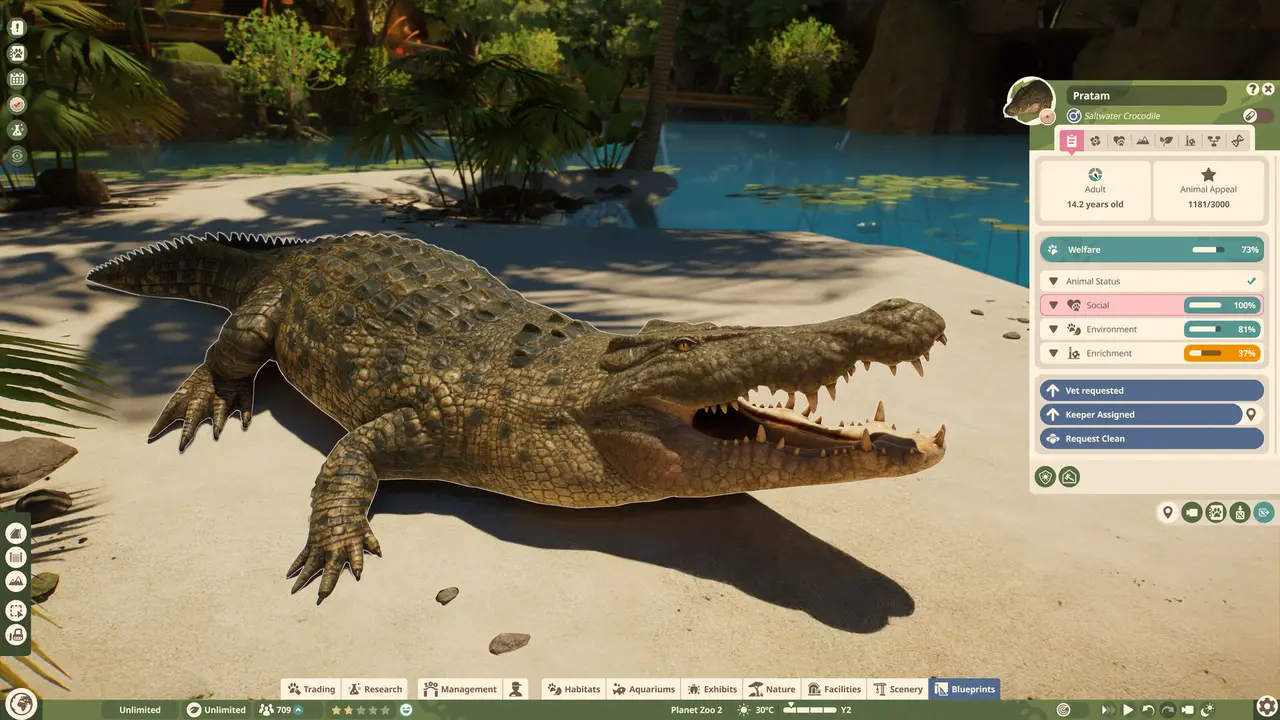
These two are the clock that matters. Keepers deliver food on a seasonal schedule, and an animal turns hungry the moment a delivery is late. After one whole extra season it’s starving, and after two it dies.
Water runs on the same clock with one twist: if drinking water is available it never runs out, so thirst always comes down to placement or cleanliness. An animal wants a drink every season at the least. Go a season without and it’s thirsty, another and it’s dehydrated, and a third season finishes it.
Tip: Animals get fed in quarantine. Move a starving one there to buy time while you fix the real problem, and move it back afterwards.
When the feeders sit empty, work through this before you hire anyone:
- Check the habitat has feeders or food enrichment for its species. Both are in the Habitat and Aquarium tabs of the Browser, where you can narrow the list down to your species.
- Look at the Keeper Hut and the keepers who use it. It needs power, a path and a short walk to the habitat, and the keepers’ work zone has to include it.
- Plant what the animal would graze in the wild. Herbivores and omnivores will feed from native plants, and that takes a bit of pressure off the feeders.
- Keepers also swap out old food on their rounds, and that’s what stops it making animals ill.
- Food quality is set under Zoo Management, Animals, Food. Better food costs more and counts towards Thriving, and I’d leave it alone until the zoo is making money.
Shelter
Shelter is anything that blocks sun and rain: a cave, an overhang, a roofed building, a carved rock. Animals use it to rest, to hide from guests and to get out of the weather, and the ground under it is cooler in a heatwave and warmer in the cold. It only counts if the animal can actually get underneath and the space is big enough for the species.
The Shelter Heatmap shows whether yours is suitable. The Habitats menu in the Browser has premade shelters under Bedding, Shelters and Nests, and you can filter them by species. Custom ones work too, built from rocks, walls and roofs. Burrows are an optional extra for animals that use them, and they count as shelter as well. I’d build one proper shelter first and check the heatmap before adding anything fancy.
Social groups, outsiders and bonding
Every species has a population range, and some also want a particular mix of males and females. Both are in the Zoopedia, along with the group size of every species. Too few animals and social welfare drops. Too many, or too many of one sex, and you get fighting and injuries.
Babies are juveniles. They fill in for missing adults when a group is short, but otherwise they don’t count towards the population (cute, and a bit of a trap), so a habitat can look fine right up until they grow up.
Outsiders
An outsider is an animal the rest of the group rejects under the species’ own rules. Some juveniles turn into outsiders when they mature and have to leave to start a group of their own. An outsider can’t interact with anyone except to fight. Move it out of the habitat. If the limits ease later it can rejoin. Mixed groups and bachelor groups have different limits, and the Zoopedia lists them for each species.
Bonded animals
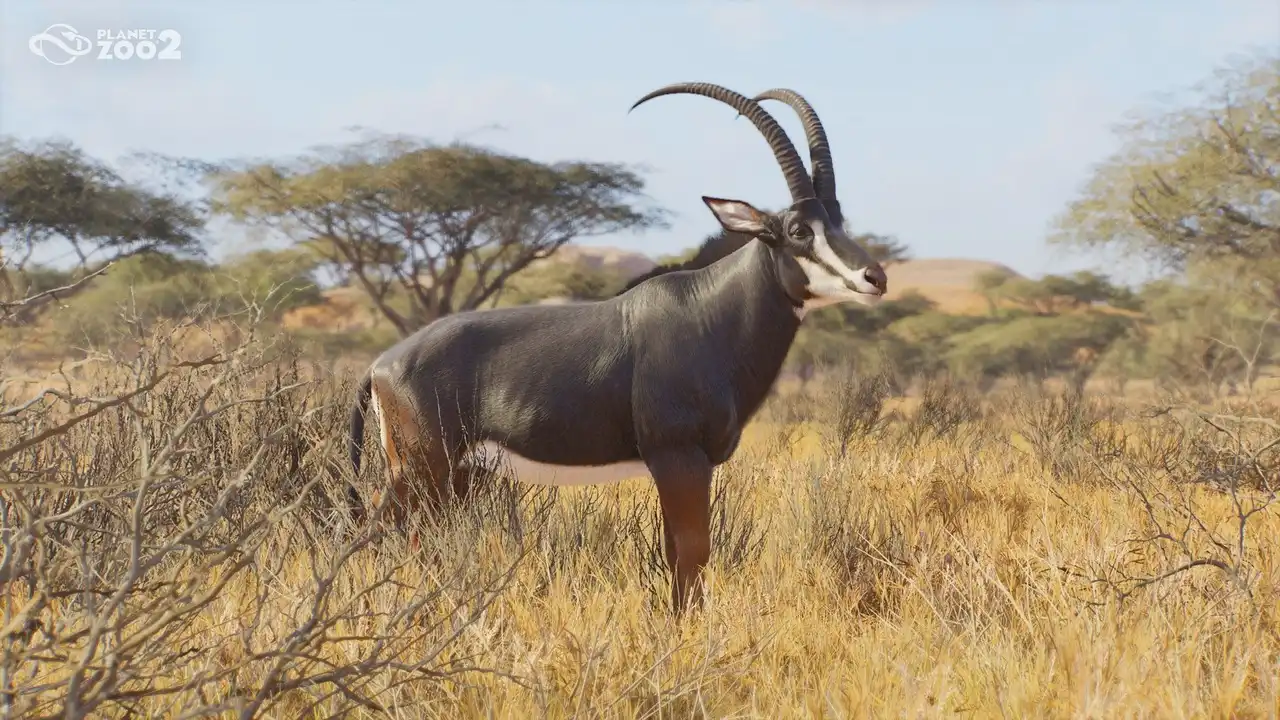
Siblings raised in the same habitat are bonded by default, and a bonded pair never fights, even when the group rules would call one of them an outsider. Unrelated animals can bond as well if they spend enough time together.
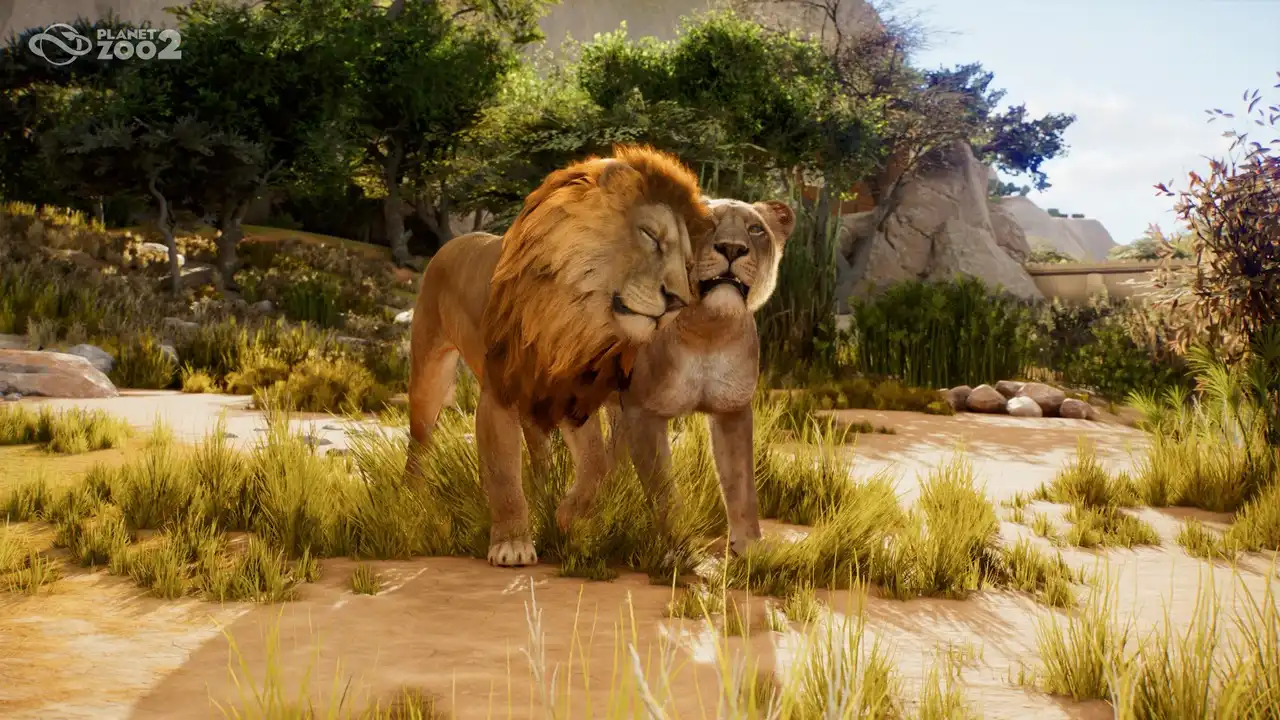
Tip: Check the group again whenever a young male reaches adulthood. That’s when the mix changes and the other adult males can start to feel crowded.
Stress and shy animals
Stress builds when guests keep disturbing animals over a long stretch, and only when the habitat gives them nowhere to hide. How often an animal is watched matters, and species the Zoopedia flags as shy cope badly with crowds.
Three things help. Leave part of the habitat out of sight of the viewing areas so shy animals can take a break. Break the line of sight with one-way glass or well-placed plants, so guests see the animal and the animal doesn’t see the crowd. And put Do Not Disturb signs in front of the viewing areas. I’d also keep shy species off your busiest path.
Temperature and enrichment
Temperature
Every species has a comfortable range in the Zoopedia, and welfare slides the further the habitat drifts outside it. You’ll see animals head indoors in very hot or cold weather. Heaters and coolers close a gap, and the Temperature Heatmap shows whether they actually reach the animals.
Enrichment
Animals in a habitat want things to play with and forage for, and the demand grows with the number of animals sharing the space. Food enrichment gives them a puzzle to get at their meal, and keepers refill it when they bring food. Toys keep them active. More kinds unlock as research progresses.
Cleanliness, illness and injury
A new habitat starts clean and doesn’t stay that way (they never do). Keepers clean every season, and leftover dung, rotting food, snacks dropped by guests and dead animals all turn into sources of illness while they sit there. Water in ponds is the filtration network’s job, and aquariums have their own rules.
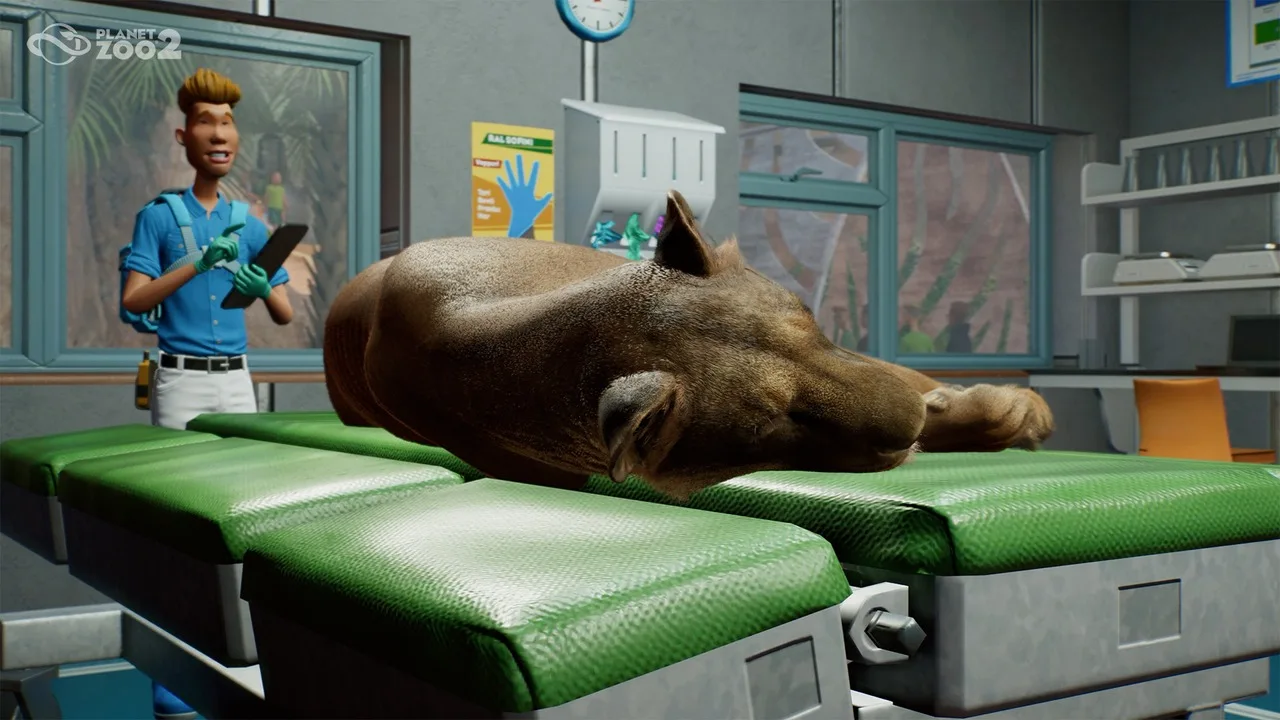
Disease spreads between animals that live close together, and a few sick ones can swamp your vets. You need a Vet Surgery for treatment and a Quarantine so newly adopted animals can be checked before they meet the rest of the zoo.
Injuries mostly come from fights, so that’s one more reason to keep groups inside their range. Light ones recover by themselves at a speed set by welfare and immunity, and serious ones can kill without help. A vet can treat any injury in the surgery, though fights leave permanent scars.
Life stages
Babies arrive as juveniles. They need less space than adults and might bond with no one but their parents. They become adults once they’re mature enough to mate, then move through their prime into old age and the elderly years before dying of old age. An adult’s needs settle down, but you still have to check on them now and then, because stress shifts with how often guests watch and a habitat’s needs change as its population does.
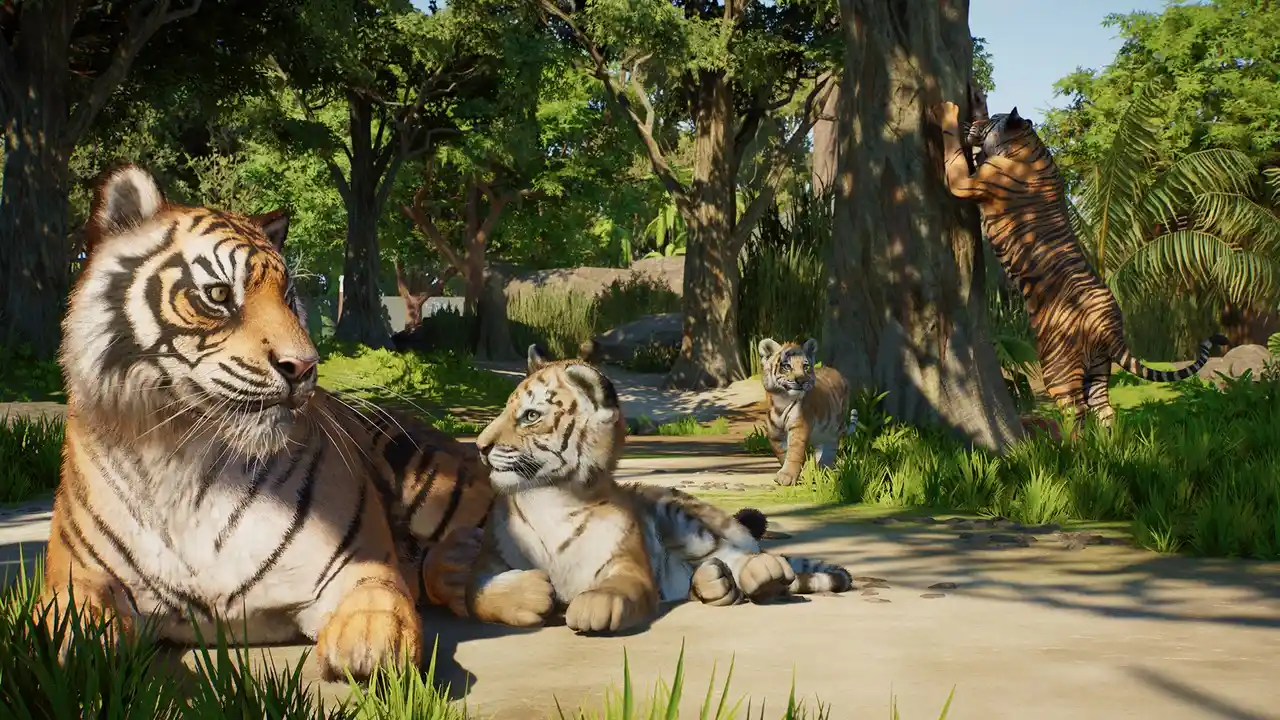
Plan for the youngsters before they grow up. A juvenile might need a habitat of its own, a move to another zoo or a release. Longevity genes set the ceiling on an animal’s lifespan (the genetics side of it is its own subject), and bad welfare, sickness and injuries all shave it down. Sudden deaths come from predation, critical illness, serious injury, starvation, dehydration or the wrong salinity in the water.
Thriving
Thriving sits on top of welfare. It’s what you get for building the sort of natural, enriching home the species would pick for itself. Thriving animals often live longer (enough to make up for an earlier illness or a rough patch of low welfare), every Thriving species earns more in donations, and your Husbandry Rating, one part of your zoo’s reputation, climbs with every one.
A species’ requirements only appear once you’ve researched it, and some of that research means releasing the species and studying it in the wild. Native plants from the animal’s own biome and region are a good place to start. I’d chase Thriving once the basics are steady and not before.
What to fix first
- Hungry or thirsty animals. Feeders, water, the Keeper Hut and its path, and whether the keeper has any energy left.
- Sick or injured animals. A vet, a Vet Surgery, quarantine for the sick ones and a clean habitat.
- Fighting and outsiders. Group size and the male to female mix, then move the extras out.
- Space and shelter. Enlarge the habitat or add real cover, and check the Shelter Heatmap.
- Temperature, stress and enrichment. These drag welfare down slowly, so they can wait until the rest are sorted.
Did this guide help?
Up next in Planet Zoo 2
Something wrong or out of date? Tell us
Guide by
Sunny
Sunny’s favourite game is Stardew Valley, and she has told herself “one more day” about four thousand times. The rest of her time goes on dying in a basement in The Binding of Isaac and planning her whole week around who she’s hanging out with in Persona.
Popular right now
-
GuidesEarly game
-
GuidesEarly game
-
GuidesEarly game
-
GuidesEndgame




Squad chat
Be the firstStart the chat